
Singapore Food Heritage
← Back to Food HeritageTeh Tarik
Indian Muslim (Mamak) tradition from South India and Penang — teh tarik arrived in Singapore with Tamil Muslim hawkers and became one of the most beloved drinks of every community.
Story
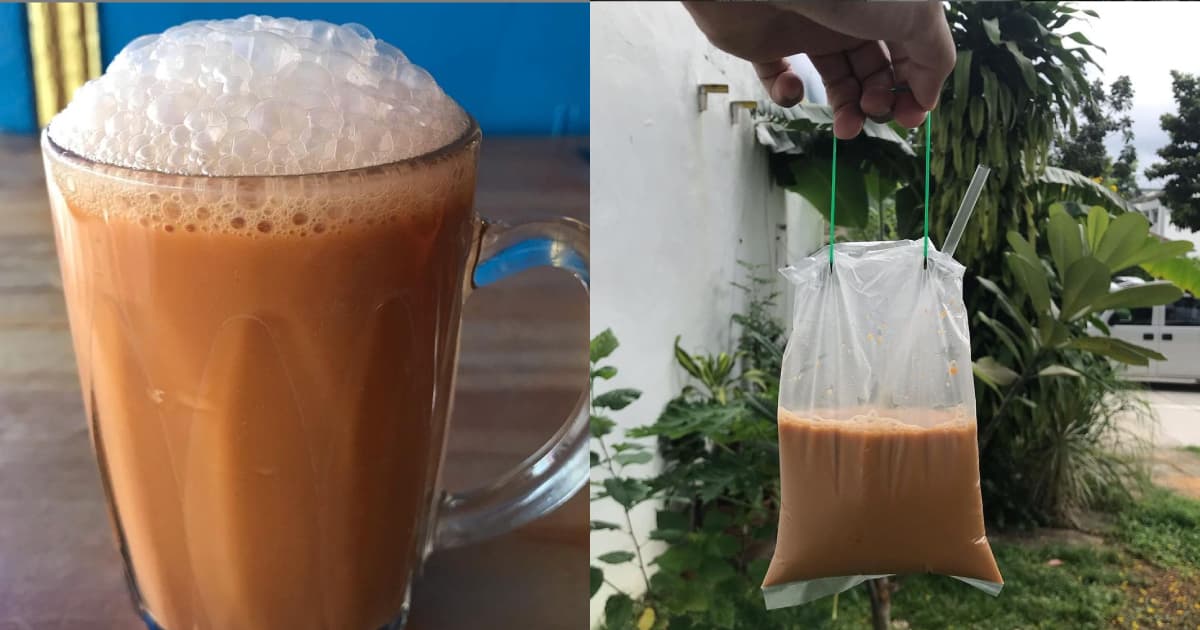
Teh tarik — pulled tea — is Singapore's most theatrical drink: strong black tea brewed with condensed milk, then poured in a high, sustained stream between two containers until it cools, froths, and becomes something different from the sum of its parts.
Shiok Factor
The pulling creates micro-bubbles that give the tea a silky, light texture that no stirring can replicate
It is an Indian Muslim tradition that Singapore adopted completely and made its own. At hawker centres, the teh tarik uncle works with a rhythm that is half performance, half technique. The height of the pour is not showing off — it is the actual method.
🏷️ Key Ingredients
Tap any ingredient to learn its role
🥢 How to Eat Like a Local
- 1
Drink while the froth is still present — within 5 minutes of pulling the bubbles collapse and it becomes regular tea
- 2
Don't stir — the gradient from frothy top to dense sweet base at the bottom is deliberate
- 3
Order it 'kurang manis' (less sweet) if the standard version is too sweet — most stalls accommodate
- 4
Drink alongside roti prata while both are hot — the pairing is one of the great everyday food combinations
- 5
Watch the pull if you can — the technique is worth observing and the sound of the pour across containers is one of the great ambient sounds of any hawker centre
Tap each step to highlight
How to Order · Serving #1
How To Order Kopi and Teh Like a Local →
A field guide to Singapore's kopitiam drink system
🌡️ Shiok-O-Meter
Rated by locals, not algorithms
Spice Hit
Like drinking warm water lah
Napkin Alert
Eat with one hand, no problem
Flavour Depth
Got layers, worth exploring
Queue Game
Walk in, sit down, eat
Shiok Value
Best dollar spent in Singapore
Overall Shiok Score
🤷 Try First, See How
Where to Find the Best
Teh tarik is sold at most Indian-Muslim and Malay drink stalls in hawker centres, kopitiams and prata shops. Kampong Glam has the best-known specialists, led by Bhai Sarbat on Bussorah Street.
Best Paired With
- Roti prata
- murtabak
- or nasi lemak — teh tarik pairs with all Malay and Indian food and is the default drink of any mamak meal.
Best Teh Tarik in Singapore
Checked against recent food guides — not sponsored
- 1
Bhai Sarbat
Kampong Glam•21 Bussorah Street, Singapore 199439Long-running street-side stall that has been pulling tea in Kampong Glam since the 1970s. Get the teh tarik or the ginger-spiced teh halia, and go early in the morning.
📍 Open in Maps - 2
Tarik
Kampong Glam•16 Bali Lane, Singapore 189852 (original takeaway kiosk on Arab Street)Modern teh tarik specialist from Kampong Glam. Its classic pulled teh tarik is the order, served for show in a syphon at the Bali Lane cafe.
📍 Open in Maps - 3
Bismillah Yunos Teh Tarik
Queenstown•Tanglin Halt Market, #01-26, 48A Tanglin Halt RoadOld-school hawker drink stall ranked in Eatbook's 2026 list of the best teh. Order a properly pulled, frothy teh tarik at neighbourhood-hawker prices.
📍 Open in Maps
Teh Tarik: questions people ask
Where can I eat the best teh tarik in Singapore?
Our picks are Bhai Sarbat (Kampong Glam), Tarik (Kampong Glam) and Bismillah Yunos Teh Tarik (Queenstown). Each one is checked against recent food guides; see the full list with addresses on this page.
How much does teh tarik cost in Singapore?
Expect to pay about S$1.30–3 (about S$1.30–1.60 at hawker and kopitiam drink stalls; around S$3 at specialist cafes).
How do you eat teh tarik like a local?
Drink while the froth is still present — within 5 minutes of pulling the bubbles collapse and it becomes regular tea. Don't stir — the gradient from frothy top to dense sweet base at the bottom is deliberate.
Keep Exploring
More Singapore Heritage Dishes
 MildHalal friendly
Roti Prata
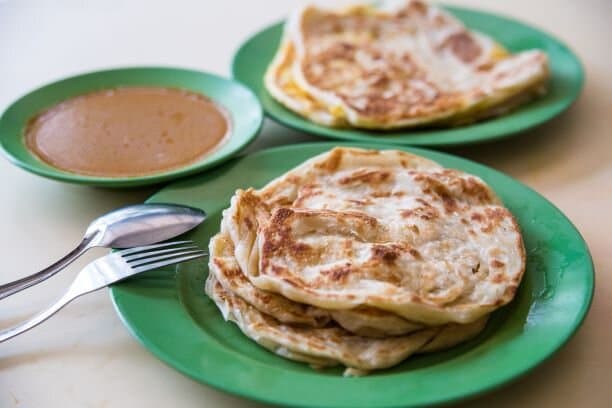
Roti prata is Singapore's most democratic breakfast — thin, flaky flatbread fried on a cast-iron griddle, served with fish or mutton curr…
Explore→
 HotHalal friendly
Fish Head Curry
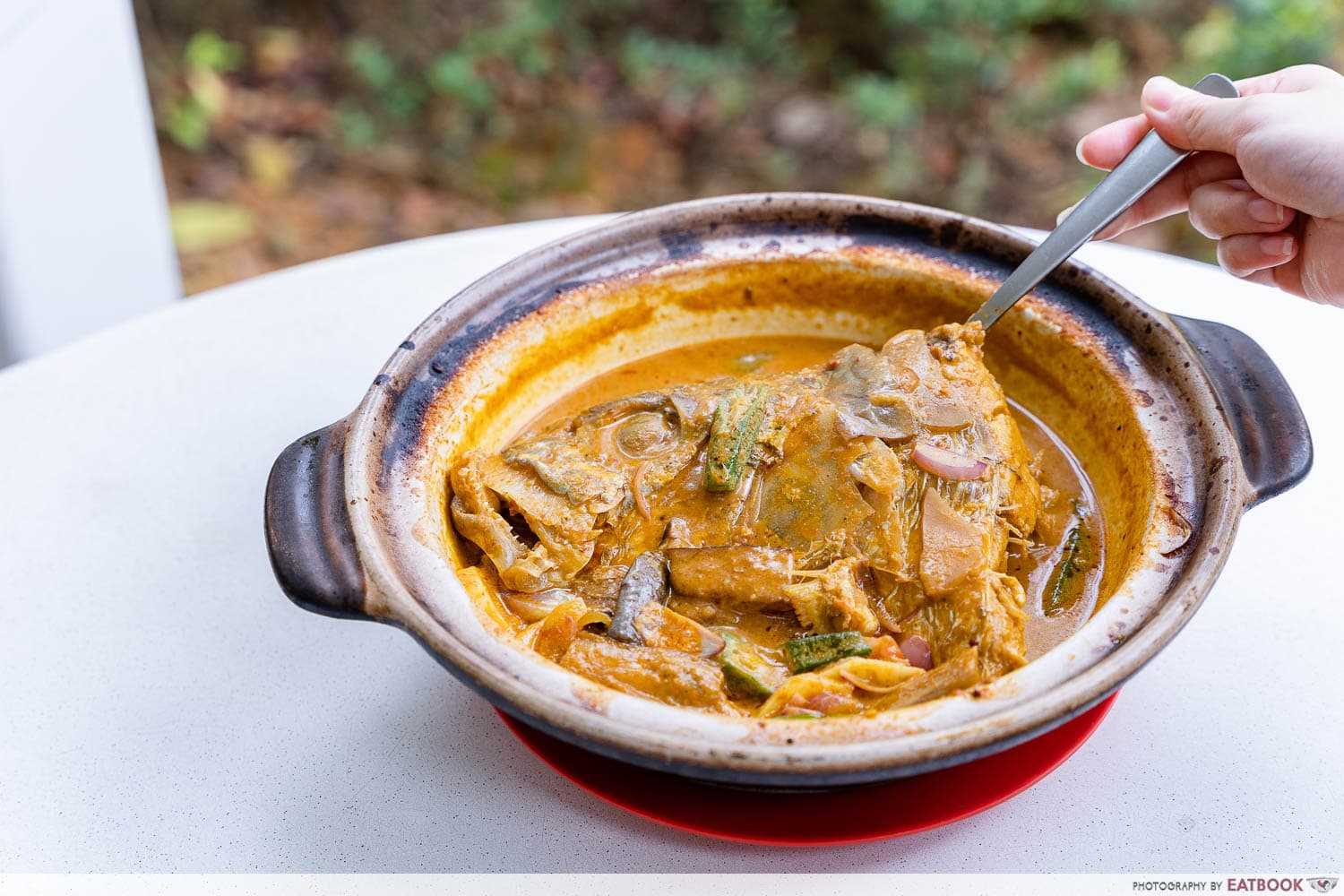
Fish head curry is Singapore's most theatrical dish: the head of a red snapper or grouper, halved and submerged in a rich, tangy curry of…
Explore→
 MediumHalal friendly
Biryani
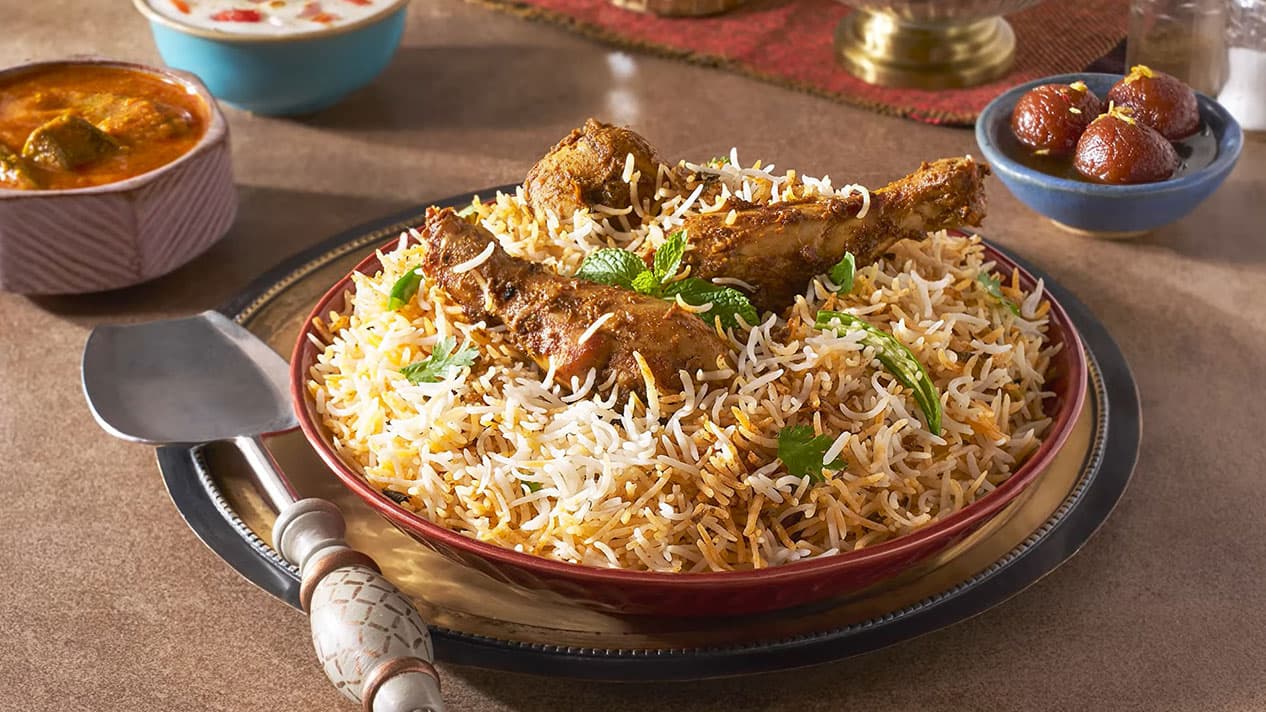
Singapore biryani is not the biryani of Hyderabad or Lucknow — it is the biryani of the Indian Muslim community that arrived in Singapore…
Explore→