In December 2020, UNESCO added Singapore's hawker culture to its list of Intangible Cultural Heritage of Humanity. Here is what that recognition means — and what it does not.
What UNESCO Actually Recognised
UNESCO's Intangible Cultural Heritage list covers practices and traditions that communities recognise as part of their cultural heritage — things passed down through generations, alive in daily practice. Previous additions include the Mediterranean diet, Argentine tango, and Mongolian calligraphy.
Singapore's hawker culture was added under criteria that recognised it as a community practice that promotes social interaction and integration across ethnic and social divides. The nomination specifically cited the way hawker centres function as common spaces where Singaporeans of all backgrounds eat together, and the way hawker skills are transmitted from one generation to the next.
It is not the food itself that is recognised. It is the culture around it.
The History Behind The Recognition
Singapore's hawker culture has its roots in the street food vendors who operated across the colonial city in the early twentieth century. Hainanese cooks who had worked in British homes. Teochew and Hokkien migrants from Southern China who brought their cooking with them. Indian Muslim traders who set up stalls near mosques and markets. Malay vendors who cooked what their communities had always eaten.
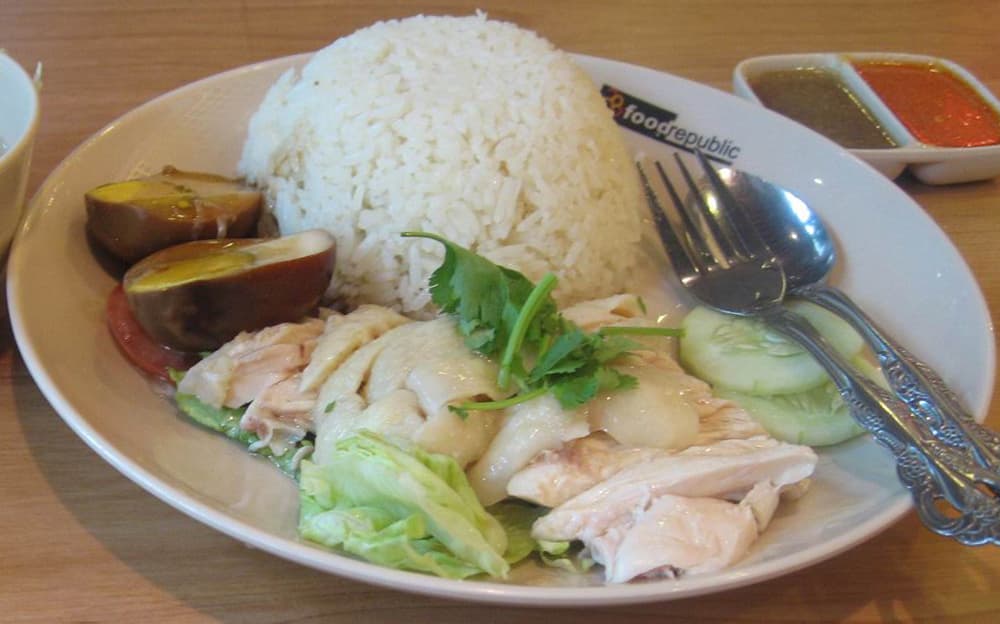
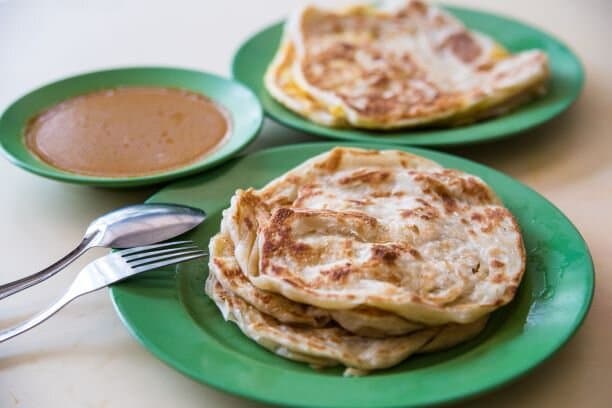
These communities cooked their own food, for their own people, in their own ways. Over time, they began feeding each other. A Hainanese cook adapted his chicken recipe for Singapore. A Malay hawker added sambal to dishes that had never seen it before. A Tamil roti-maker found himself feeding Chinese dockworkers who had never eaten prata.
Singapore's food is what happens when different communities cook for each other across generations without ever deciding to fuse anything deliberately. The result is accidental and irreversible and entirely Singaporean.
What The Recognition Does Not Guarantee
UNESCO recognition does not preserve anything. It does not fund hawker stalls. It does not prevent stalls from closing when the uncle who runs them retires and his children choose a different path. It does not make young Singaporeans want to wake up at 4am to prepare stock for a noodle stall they will run for twelve hours a day.
The recognition is acknowledgement, not protection. Singapore's hawker culture faces real and ongoing pressures — rising rental costs for stall space, an ageing community of hawkers with limited successors, and the competition of food delivery apps that reward convenience over craft.
The average age of a hawker stall owner in Singapore is over fifty. Many of the most respected stalls in the country are run by people in their sixties and seventies. Some have successors. Many do not.
What Is Actually Being Done
The Singapore government has run several initiatives to address succession — subsidised training programmes for aspiring hawkers, a Hawker Culture Fund, and grants for stall renovations. The results are mixed. Running a hawker stall is physically demanding, financially uncertain, and socially undervalued in a city that prizes professional careers.
Some stalls have found successors who are genuinely passionate. A chef who trained in a European kitchen and came back to learn his father's chicken rice recipe from scratch. A daughter who left a corporate job to continue her mother's popiah stall. These stories exist and they matter.
They are not yet the norm.
Why This Matters Beyond Singapore
Food is how cultures understand themselves. What a community eats, who cooks it, how it is served, who sits down together — these are not trivial questions. They are questions about identity, belonging, and memory.
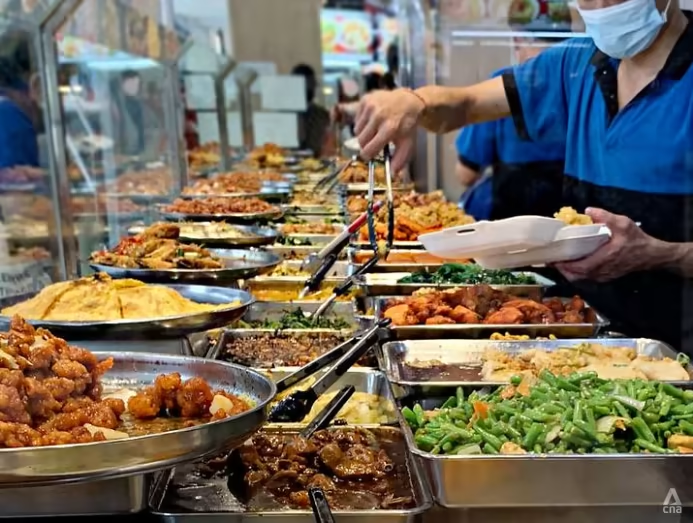
Singapore's hawker culture is remarkable not because the food is extraordinary — though much of it is — but because the format itself is a working model of a multi-ethnic society eating together without ceremony or self-consciousness. There is no dress code at a hawker centre. There is no formal occasion. There is a plastic chair and a plate of food and the person next to you is eating something completely different from a different culture and nobody thinks this is unusual.
UNESCO recognised that. The uncles and aunties at the stalls already knew.
What You Can Do
Eat at hawker centres. Not because it is exotic or because you are ticking something off a list. Eat there because the food is good and the people who make it have given their lives to making it right.
Queue patiently. Pay the price on the board without bargaining. Return your tray. Say thank you.
That is not nothing. That is the whole point.