Chinatown is where Singapore's hawker story is most concentrated. Within ten minutes' walk of each other you have four hawker centres, a clutch of Michelin-recognised stalls, and shophouse bakeries that have been feeding the neighbourhood for generations. The problem is not finding food. It is knowing what to order, where, and on which day the stall is actually open.
This guide is organised by craving. Pick a dish, find the stall, check the closed day, go. If you have never eaten at a hawker centre before, read our first-timer's guide to hawker food first, then come back hungry.
Short on time? A local guide can take you through popiah, chicken rice, chwee kueh and chendol in one 3.5-hour walk. The Chinatown Hawkers Food Tour starts from about US$88, and there are more details at the end of this guide.
What to eat in Chinatown, dish by dish
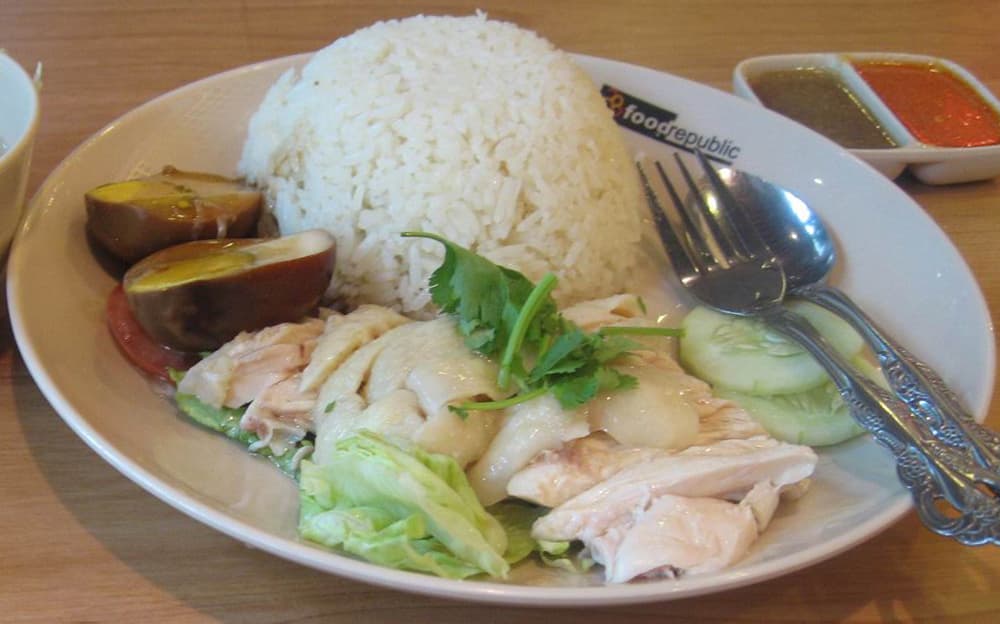
Hainanese chicken rice
Poached chicken, rice cooked in chicken fat and stock, and a trio of chilli, ginger and dark soy. Hainanese chicken rice is the dish most visitors come to Chinatown for, and the reason is one stall.
- Tian Tian Hainanese Chicken Rice, Maxwell Food Centre, #01-10/11. Bib Gourmand in the 2026 Michelin Guide. Closed Mondays.
- Ah Tai Hainanese Chicken Rice, Maxwell Food Centre, #01-07. A few doors down, with steamed chicken that plenty of locals prefer. Closed Tuesdays.
Tip: Order one plate from each and compare. If you are unsure what to ask for (steamed or roasted, breast or thigh, how much rice), our chicken rice ordering guide covers it.
Claypot rice
Rice cooked to order in a clay pot over charcoal, topped with chicken, Chinese sausage and salted fish, finished with dark soy. The prize is the crust at the bottom of the pot.
- Lian He Ben Ji Claypot Rice, Chinatown Complex Food Centre, #02-198/199. On the 2026 Michelin Bib Gourmand list. Opens from 3pm, closed Mondays and Thursdays.
Tip: Each pot is cooked from raw, so expect to wait. Order first, then go and find drinks and a table. Scrape the crust, add more dark soy, and do not leave it behind.
Char kway teow
Flat rice noodles and yellow noodles fried hard in a hot wok with dark soy, egg, lap cheong, bean sprouts and cockles. The smoky "wok hei" is the whole point.
- Outram Park Fried Kway Teow Mee, Hong Lim Market & Food Centre, #02-17. Bib Gourmand in the 2026 Michelin Guide. Monday to Saturday from early morning, closed Sundays.
Tip: This is a morning and lunch stall, and it can close early once it sells out. Come before noon. Read our char kway teow ordering guide to learn how to ask for more chilli, no cockles, or extra egg, and the story of the dish while you queue.
Xiao long bao and la mian
Soup dumplings and hand-pulled noodles are Chinatown's northern Chinese corner, and the queues are shorter than at the chicken rice stalls.
- Zhong Guo La Mian Xiao Long Bao, Chinatown Complex Food Centre, #02-135. Michelin-recognised. Closed Mondays and Tuesdays.
- Taste Of Jiang Nan, Maxwell Food Centre, #01-62. Xiao long bao and pork wanton noodles. Closed Saturdays.
Tip: Order the la mian with fried bean sauce alongside the dumplings. Bite a small hole in each dumpling and sip the soup before eating it, or it will burn.
Popiah
A soft, paper-thin wheat skin rolled around braised turnip, egg, prawn, lettuce and sweet sauce, a Hokkien and Peranakan classic that is light enough to fit between bigger meals.
- Ann Chin Popiah, Chinatown Complex Food Centre, #02-112. Open daily, and has had a nod from the Michelin Guide.
Tip: Popiah is rolled to order and falls apart in a bag, so eat it at the table. Ask for it with chilli if you like heat. More on the dish in our popiah heritage page.
Fish soup and fish head bee hoon
Clear or milky fish broths with sliced fish, vegetables and rice vermicelli. The lightest full meal in Chinatown, and a good reset after a morning of fried food.
- Jin Hua Fish Head Bee Hoon, Maxwell Food Centre, #01-77. Cantonese-style fish soup, with a clear or milky broth. Closed Thursdays.
- Yi Jia Teochew Fish Porridge Fish Soup, Maxwell Food Centre, #01-66. Batang (Spanish mackerel) fish soup. Lunch only, closed Sundays.
- Fan Ji Bittergourd Fish Soup, Hong Lim Market & Food Centre, #02-70. Closed Saturdays.
Tip: If you want it clear and clean, say "no milk". If you want richness, ask for the milky version and fried fish.
Kaya toast and kopi
Charcoal-toasted bread with coconut-egg jam and cold butter, with soft-boiled eggs and a cup of thick kopi. This is Singapore's breakfast, and Chinatown has one of the best places to have it.
- The 1950s Coffee (listed by Michelin as The 50s), Chinatown Complex Food Centre, #02-048. In the 2026 Michelin Guide. Closed Mondays, open from 7am.
- There is also a branch at Maxwell Food Centre, #01-90, also closed Mondays.
Tip: Crack the eggs into the saucer, add dark soy and white pepper, and dip the toast. Before you order coffee, check our kopi decoder so you can ask for kopi siew dai (less sweet) like a regular. More background on kaya toast here.
Chendol
Shaved ice over pandan jelly, red beans and coconut milk, drenched in gula melaka (palm sugar syrup). It is the dessert you will want at 2pm when Chinatown is at its hottest.
- Old Amoy Chendol, Chinatown Complex Food Centre, #02-008. Open daily.
Tip: Eat it fast. The ice melts within minutes in the heat. Read about the dish's Southeast Asian roots on our chendol page.
Egg tarts and bak kwa
Two shophouse classics to take away.
- Tong Heng, 285 South Bridge Road. A fourth-generation Cantonese pastry shop listed on the National Heritage Board's SG Heritage Business Registry, famous for its diamond-shaped egg tarts with smooth, wobbling custard.
- Lim Chee Guan, 203 New Bridge Road. Bak kwa (sweet, smoky barbecued pork sheets grilled over charcoal) since 1938, when the family started with a pushcart in Chinatown. Open daily.
Tip: Tong Heng's egg tarts sell out by late afternoon, so go before 4pm. Avoid Lim Chee Guan in the weeks before Chinese New Year unless you enjoy queues measured in hours; at any other time of year you will walk straight in. Bak kwa is pork, so check your country's import rules before packing it.
Where to eat: the hawker centres
[Maxwell Food Centre](/hawker/maxwell-food-centre) (1 Kadayanallur Street). The easiest for first-timers: compact, single level, airy, and right outside Exit 2 of Maxwell MRT (Thomson-East Coast Line). Chicken rice, fish soup, xiao long bao, and a good spread of snacks and drinks. Busiest at weekday lunch, when CBD office workers arrive.
[Chinatown Complex Food Centre](/hawker/chinatown-complex-food-centre) (335 Smith Street, second floor). Singapore's largest hawker centre, with hundreds of stalls. It can feel like a maze, so go in with a shortlist from this guide. Claypot rice, la mian, popiah, chendol and kopi are all here. A short walk from Chinatown MRT.
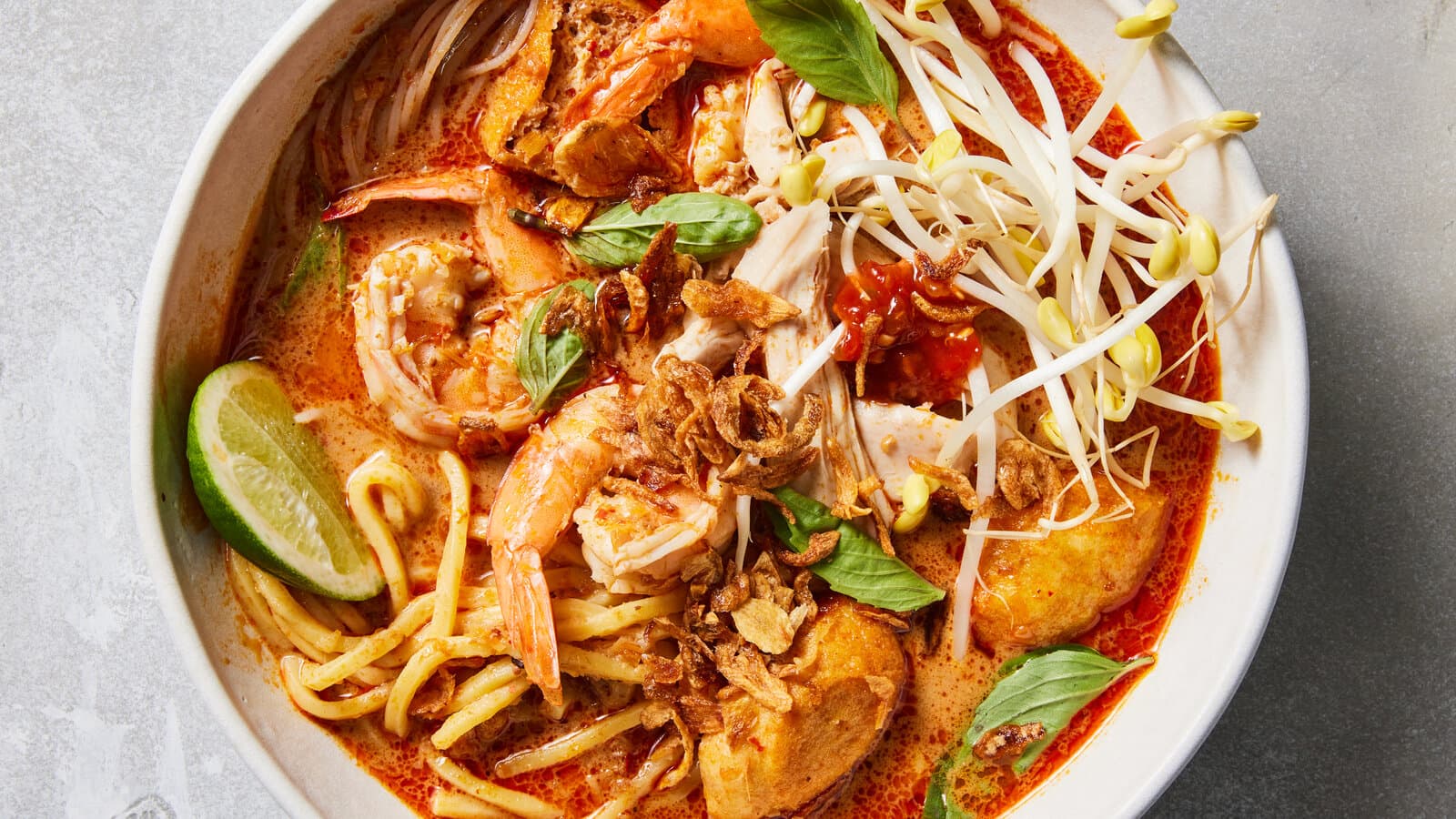
[Hong Lim Market & Food Centre](/hawker/hong-lim-market-food-centre) (531A Upper Cross Street). A two-storey centre with a serious concentration of Bib Gourmand stalls: Outram Park Fried Kway Teow Mee, Heng Kee curry chicken bee hoon (#01-58), Tai Wah Pork Noodle (#02-16, closed Mondays) and Ji Ji wanton noodles (#02-48/49, closed Thursdays). Most of the famous stalls here are breakfast and lunch operations, so treat Hong Lim as a daytime stop.
[People's Park Food Centre](/hawker/peoples-park-food-centre) (32 New Market Road). Less touristy, and where you will hear more Mandarin and Cantonese than English. The strengths are Sichuan dishes, mala xiang guo, roast meats, dumplings and yong tau foo. A good choice for dinner, when Hong Lim has gone quiet.
Practical tips
- Getting there. Chinatown MRT (North East and Downtown lines) puts you within a short walk of Chinatown Complex, Hong Lim and People's Park. Maxwell MRT is the closest station to Maxwell Food Centre and to Tong Heng.
- Timing. Breakfast and lunch are when Chinatown's best stalls are open. Many famous stalls close by mid-afternoon or when they sell out. For dinner, focus on Maxwell, Chinatown Complex (Lian He Ben Ji opens at 3pm) and People's Park.
- Closed days. Mondays are the most common rest day in this guide, so a Monday visit means fewer options. Hawker hours change, so check a recent listing or the stall's social media before making a special trip.
- Paying. Most plates cost around S$4 to S$8, with claypot rice and fish soups a little more. Carry small notes. Many stalls take PayNow or NETS QR, but not all take foreign cards.
- Seating. A tissue packet on a table means it is taken. Our hawker etiquette guide covers choping, tray returns and sharing tables.
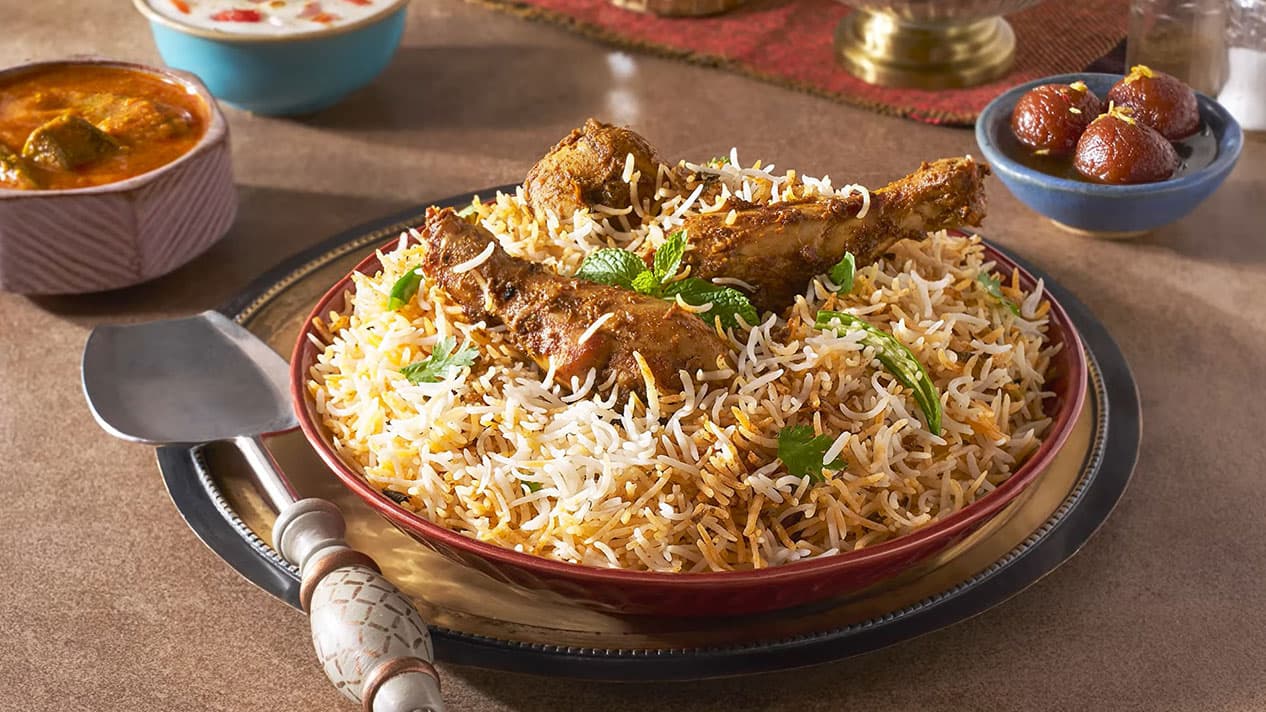
- Halal options. Chinatown is mostly Chinese food and much of it uses pork or lard. At Maxwell, Pakistani Dum Biryani (#01-69) is halal-certified. Look for the MUIS certificate at the stall, and see our halal hawker food guide for more.
- Plan a bigger day. For a walking route that strings Chinatown together with Lau Pa Sat, Amoy Street and Marina Bay, follow our CBD flavour trail. If you only have a few days in the city, our three-day Singapore food itinerary shows where Chinatown fits.
- Wherever you end up. Use hawker food near me to find the nearest centre from your hotel.
Prefer a guided tour?
If you would rather have someone else handle the ordering, the queues and the stories behind the stalls, Secret Food Tours runs a Chinatown hawker tour with seven tastings, a drink and gratuities included. It lasts about 3.5 hours, meets outside Chinatown MRT Exit A, and costs from about US$88 per person (prices change, so check the current rate). It suits first-time visitors, short stays and anyone who wants context with their food (affiliate link: we may earn a small commission).
For other options across the city, see our guide to the best Singapore food tours.